Can You List the Satellite Frequency Bands Used Globally?
Understanding Global Satellite Frequency Bands
Satellite frequency bands are designated portions of the radio spectrum, each uniquely suited for different types of satellite communication and services. These bands enable a wide range of applications, from television broadcasting to weather forecasting and internet services. This article provides a detailed overview of the satellite frequency bands used globally, highlighting their specific uses and characteristics.
[caption id="attachment_1556" align="aligncenter" width="517"] Can You List the Satellite Frequency Bands Used Globally?[/caption]
L-Band: Mobility and ReachThe L-Band operates between 1 to 2 GHz. It is widely used for mobile satellite services such as satellite phones, maritime communications, and GPS. This band's lower frequency range offers good penetration through atmospheric conditions and solid coverage, making it ideal for services requiring broad geographic mobility.
S-Band: Versatility in Moderate ConditionsThe S-Band ranges from 2 to 4 GHz and is commonly utilized for weather radar and some communications with spacecraft. Its properties allow for effective transmission through moderate atmospheric moisture, making it suitable for near-Earth satellite applications, including direct-to-home satellite radio services.
C-Band: Reliable BroadcastingThe C-Band, spanning 4 to 8 GHz, is essential for fixed satellite services, including satellite television broadcasting. It is less susceptible to rain fade than higher frequency bands, providing a reliable choice for broadcasters around the globe, especially in regions with frequent rain or dense cloud cover.
X-Band: Strategic and Military CommunicationsThe X-Band, covering 7 to 8 GHz, is reserved mainly for military and governmental use, offering advantages in secure and stable communications. This band supports high-capacity links, crucial for defense, intelligence, and disaster response applications.
Ku-Band: Compact and EfficientThe Ku-Band, ranging from 12 to 18 GHz, is popular for commercial satellite broadcasting and fixed satellite services. Its higher frequency allows for smaller satellite dishes, facilitating more cost-effective installations for direct-to-home television services.
Ka-Band: High Throughput Data TransmissionThe Ka-Band, extending from 26.5 to 40 GHz, supports high-throughput satellite services, such as broadband internet and high-definition video broadcasting. Although more susceptible to atmospheric attenuation, advances in technology have increasingly harnessed its potential for high-speed data transmission.
V-Band and Higher: Exploring New Frontiers
Frequencies in the V-Band and higher, including ranges from 40 GHz to 75 GHz and beyond, are being explored for future satellite communication applications. These bands may offer solutions for overcrowding in lower bands, providing high bandwidth capabilities for next-generation services.
Tailoring Communication to Specific Needs
Each satellite frequency band offers distinct advantages tailored to specific communication needs and operational environments. The strategic selection of these bands is crucial to optimizing the effectiveness and efficiency of satellite communications across the globe.
For a comprehensive satellite frequency bands list and more in-depth details on how they support various satellite services worldwide, exploring dedicated resources can provide valuable insights. These bands collectively enable the diverse array of satellite functions that connect and inform our world today.
h
huanggs
Contributing writer · InfoKece
See InfoKece on your data.
A 30-minute walkthrough with a solutions engineer. No deck, no slideware.

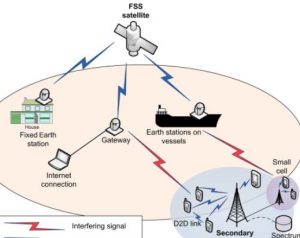 Can You List the Satellite Frequency Bands Used Globally?[/caption]
L-Band: Mobility and Reach
The L-Band operates between 1 to 2 GHz. It is widely used for mobile satellite services such as satellite phones, maritime communications, and GPS. This band's lower frequency range offers good penetration through atmospheric conditions and solid coverage, making it ideal for services requiring broad geographic mobility.
S-Band: Versatility in Moderate Conditions
The S-Band ranges from 2 to 4 GHz and is commonly utilized for weather radar and some communications with spacecraft. Its properties allow for effective transmission through moderate atmospheric moisture, making it suitable for near-Earth satellite applications, including direct-to-home satellite radio services.
C-Band: Reliable Broadcasting
The C-Band, spanning 4 to 8 GHz, is essential for fixed satellite services, including satellite television broadcasting. It is less susceptible to rain fade than higher frequency bands, providing a reliable choice for broadcasters around the globe, especially in regions with frequent rain or dense cloud cover.
X-Band: Strategic and Military Communications
The X-Band, covering 7 to 8 GHz, is reserved mainly for military and governmental use, offering advantages in secure and stable communications. This band supports high-capacity links, crucial for defense, intelligence, and disaster response applications.
Ku-Band: Compact and Efficient
The Ku-Band, ranging from 12 to 18 GHz, is popular for commercial satellite broadcasting and fixed satellite services. Its higher frequency allows for smaller satellite dishes, facilitating more cost-effective installations for direct-to-home television services.
Ka-Band: High Throughput Data Transmission
The Ka-Band, extending from 26.5 to 40 GHz, supports high-throughput satellite services, such as broadband internet and high-definition video broadcasting. Although more susceptible to atmospheric attenuation, advances in technology have increasingly harnessed its potential for high-speed data transmission.
V-Band and Higher: Exploring New Frontiers
Frequencies in the V-Band and higher, including ranges from 40 GHz to 75 GHz and beyond, are being explored for future satellite communication applications. These bands may offer solutions for overcrowding in lower bands, providing high bandwidth capabilities for next-generation services.
Tailoring Communication to Specific Needs
Each satellite frequency band offers distinct advantages tailored to specific communication needs and operational environments. The strategic selection of these bands is crucial to optimizing the effectiveness and efficiency of satellite communications across the globe.
For a comprehensive satellite frequency bands list and more in-depth details on how they support various satellite services worldwide, exploring dedicated resources can provide valuable insights. These bands collectively enable the diverse array of satellite functions that connect and inform our world today.
Can You List the Satellite Frequency Bands Used Globally?[/caption]
L-Band: Mobility and Reach
The L-Band operates between 1 to 2 GHz. It is widely used for mobile satellite services such as satellite phones, maritime communications, and GPS. This band's lower frequency range offers good penetration through atmospheric conditions and solid coverage, making it ideal for services requiring broad geographic mobility.
S-Band: Versatility in Moderate Conditions
The S-Band ranges from 2 to 4 GHz and is commonly utilized for weather radar and some communications with spacecraft. Its properties allow for effective transmission through moderate atmospheric moisture, making it suitable for near-Earth satellite applications, including direct-to-home satellite radio services.
C-Band: Reliable Broadcasting
The C-Band, spanning 4 to 8 GHz, is essential for fixed satellite services, including satellite television broadcasting. It is less susceptible to rain fade than higher frequency bands, providing a reliable choice for broadcasters around the globe, especially in regions with frequent rain or dense cloud cover.
X-Band: Strategic and Military Communications
The X-Band, covering 7 to 8 GHz, is reserved mainly for military and governmental use, offering advantages in secure and stable communications. This band supports high-capacity links, crucial for defense, intelligence, and disaster response applications.
Ku-Band: Compact and Efficient
The Ku-Band, ranging from 12 to 18 GHz, is popular for commercial satellite broadcasting and fixed satellite services. Its higher frequency allows for smaller satellite dishes, facilitating more cost-effective installations for direct-to-home television services.
Ka-Band: High Throughput Data Transmission
The Ka-Band, extending from 26.5 to 40 GHz, supports high-throughput satellite services, such as broadband internet and high-definition video broadcasting. Although more susceptible to atmospheric attenuation, advances in technology have increasingly harnessed its potential for high-speed data transmission.
V-Band and Higher: Exploring New Frontiers
Frequencies in the V-Band and higher, including ranges from 40 GHz to 75 GHz and beyond, are being explored for future satellite communication applications. These bands may offer solutions for overcrowding in lower bands, providing high bandwidth capabilities for next-generation services.
Tailoring Communication to Specific Needs
Each satellite frequency band offers distinct advantages tailored to specific communication needs and operational environments. The strategic selection of these bands is crucial to optimizing the effectiveness and efficiency of satellite communications across the globe.
For a comprehensive satellite frequency bands list and more in-depth details on how they support various satellite services worldwide, exploring dedicated resources can provide valuable insights. These bands collectively enable the diverse array of satellite functions that connect and inform our world today.