
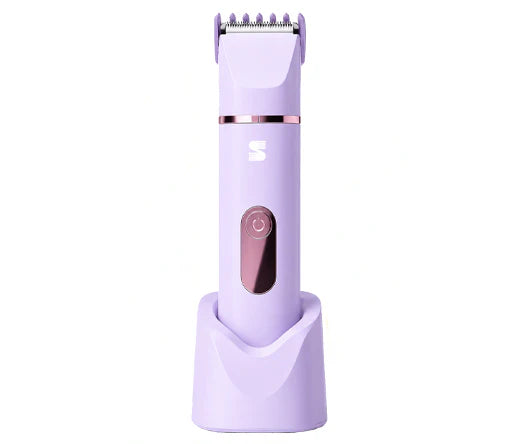
Choosing the right grooming tool is less about finding a single “best” option and more about matching the tool to your routine. The right choice depends on where you use it, how much length you want to remove, what finish you prefer, and how much maintenance you are willing to handle. Trimmers, groomers, shavers, and razors each serve different purposes. Understanding their roles makes it easier to build a grooming routine that fits your needs instead of choosing based only on appearance or marketing claims.
Quick Verdict: Choose Based on the Job You Need Done
A grooming tool should be selected according to the task it performs most often.
If your priority is controlling hair length, a trimmer is usually the most practical choice. It helps maintain a consistent length without removing everything. If you need a tool for multiple body areas, a groomer may offer more flexibility by combining trimming and general grooming functions.
For a closer finish, a shaver or razor may be more suitable. These options focus on reducing visible hair more closely to the skin, but they also require more attention to technique and maintenance.
A simple way to decide:
| Your main goal | Tool type to consider |
|---|---|
| Maintain a specific hair length | Trimmer |
| Manage different body areas | Groomer |
| Achieve a smoother finish | Shaver or razor |
| Keep a simple routine with fewer steps | Multi-purpose grooming tool |
The best option depends on your personal routine, not whether one tool is universally better than another.
Understanding the Role of Each Grooming Tool
Different grooming tools are designed around different priorities. Comparing them by purpose makes the decision much clearer.
Trimmers: Control and Length Management
Trimmers are mainly designed for shaping and maintaining hair at a preferred length. They are useful when you want control rather than complete removal.
For example, someone maintaining facial hair, body hair, or a specific style may value the ability to adjust length gradually. A trimmer can help create a consistent appearance while avoiding frequent full removal.
The main advantage of a trimmer is precision. However, it may not provide the same smooth finish as a tool designed specifically for shaving.
Groomers: Flexibility Across Different Areas
Groomers are often chosen by people who want one tool that can handle multiple grooming tasks. They are commonly used when routines involve different areas of the body and different length preferences.
The benefit of a groomer is convenience. Instead of using separate tools for every task, users can simplify their routine with a more versatile option.
The tradeoff is that a general-purpose tool may require users to understand which attachment, setting, or technique works best for each situation.
Shavers and Razors: Focus on a Close Finish
Shavers and razors are designed for users who prefer a closer result. They are often selected when the goal is reducing visible hair rather than maintaining length.
A closer finish usually requires more careful handling because the tool is performing a different type of task compared with a trimmer. Users should consider their preferred routine, comfort level, and maintenance habits before choosing this category.
Comparing Grooming Tools by Routine Needs
The easiest way to compare grooming tools is to look at the factors that affect everyday use.
| Factor | Trimmer | Groomer | Shaver/Razor |
|---|---|---|---|
| Main purpose | Length control | Flexible grooming tasks | Close finishing |
| Best for | Maintaining styles | Multiple grooming needs | Smooth appearance |
| Length adjustment | Usually stronger focus | Often available depending on design | Limited focus |
| Learning curve | Generally straightforward | Requires understanding different uses | May require more technique |
| Maintenance | Regular cleaning and care | Cleaning attachments and components | Blade or shaving surface care |
This comparison shows why different users may prefer different tools. A person focused on styling may prioritize control, while someone focused on a cleaner finish may value closeness.
For readers exploring broader options, grooming tools for men and women can provide a useful starting point for understanding different grooming categories and how they fit into everyday routines.
Scenario Winners: Matching Tools to Common Grooming Goals
Instead of asking “Which tool is the best?”, ask “Which tool matches my routine?”
For Regular Length Maintenance
If your goal is keeping hair at a consistent length, a trimmer is often the most direct choice. It supports repeatable results and allows adjustments over time.
This approach works well for people who prefer a maintained look without changing their routine frequently.
For Multiple Body Areas
If you manage different areas with different needs, flexibility becomes more important. A groomer may be more convenient because it can support several tasks within one routine.
The key consideration is whether convenience is more valuable than having a specialized tool for each purpose.
For a Cleaner Final Appearance
When the goal is a closer finish, a shaver or razor may better match expectations. However, users should consider that closer results often involve more frequent care and attention.
The right choice depends on whether the final appearance or the simplicity of maintenance matters more.
Maintenance Tradeoffs You Should Consider
A grooming tool is only as effective as the care behind it. Regular maintenance helps keep tools ready for consistent use.
Common maintenance considerations include:
-
Cleaning hair buildup after use
-
Following the manufacturer’s care instructions
-
Keeping removable parts properly maintained
-
Replacing worn components when necessary
-
Storing tools in a clean, dry location
Different tool categories also create different maintenance responsibilities. A trimmer may require attention to cutting components, while a shaver or razor may involve more frequent blade-related care.
A tool that fits your routine should also fit the amount of time you are willing to spend maintaining it.
How to Make the Final Decision
Before choosing a grooming tool, consider these questions:
-
Where will you use it?
Facial hair, body grooming, and general maintenance may require different approaches. -
What result do you want?
Length control, shaping, and smooth finishing are separate goals. -
How often will you use it?
Frequent users may prioritize convenience and easy maintenance. -
Do you prefer one flexible tool or specialized options?
A multi-purpose approach can simplify routines, while specialized tools may offer more focused performance.
A good grooming routine is built around your habits. Once you understand the differences between trimmers, groomers, shavers, and razors, selecting the right tool becomes a practical decision rather than a guessing process.
The best grooming choice is the one that matches your preferred style, your daily routine, and the level of maintenance you are comfortable managing.